FT10-CCF: Resilient forests

Forest type 10 (FT10)-CCF

Afforestation under FT10 supports the establishment of productive forests designed from the outset for CCF management.

Creating a productive forest under FT10 facilitates the development of structurally diverse, mixed-species stands that can be managed for timber production without clear-felling. By maintaining forest cover over time, this approach supports biodiversity while building greater resilience into a productive forest from the outset.

The same principles apply whether you are planting a new forest or re-establishing after clear-fell or windblow. 

FT10-CCF afforestation scheme

Grant and payment

SUPPORT                                                                  RATE

Grant (excluding fencing)                              €5,421/Ha

Annual Premium                                                €912/Ha

Duration                                                               20 years (farmers)

                                                                               15 year (non-farmers)

Building forest resilience from the start

Greater species diversity within a forest gives:

More resilience to climate change

Mixed species forests are better equipped to adapt to changing conditions, from storms and flooding to drought and rising temperatures. Diverse species and rooting structures improve stability, resilience and the forest’s ability to adapt over time.

Greater resistance to pests and diseases

Mixed forests are more resistant than monocultures due to lower densities of host tree species and their irregular distribution within sites, which slows the spread of pests and diseases.

A continued supply of diverse timber

Mixed forests deliver opportunities for diverse timber supply, different maturation timescales and adaptability to market conditions.

Creating Resilient Forests with FT10-CCF

Forester and Pro Silva Ireland Chairperson, Manus Crowley, explains how establishing a new forest under FT10-CCF afforestation scheme can help create resilient, productive forests for the future.

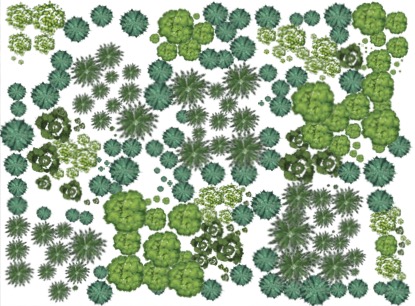
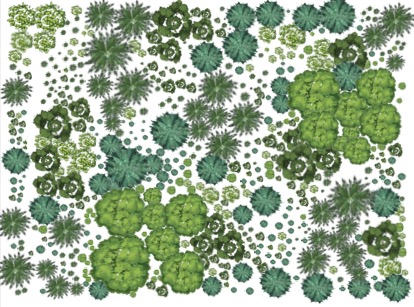
Development of an FT10 forest over time

Year 4

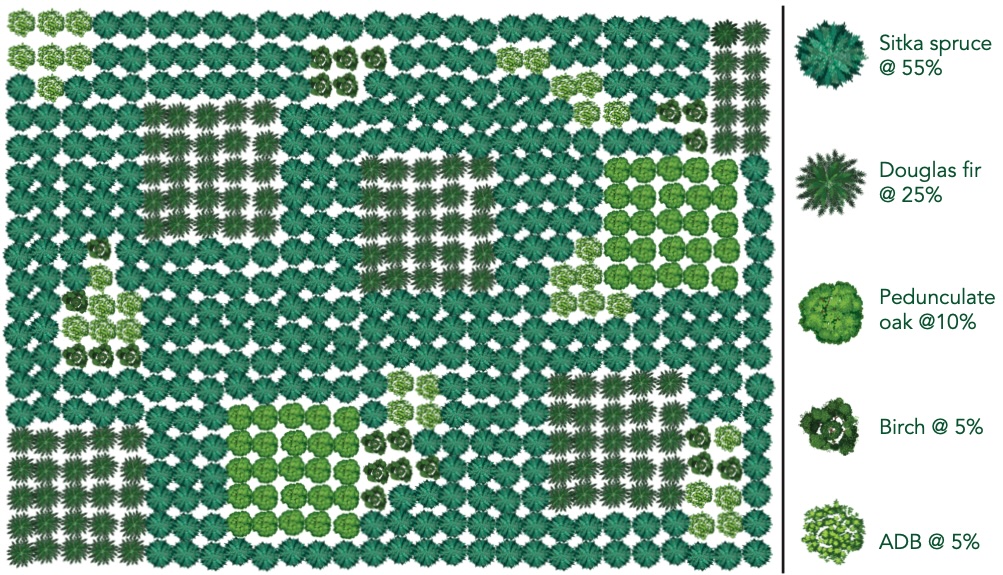
The FT10-CCF species mix

  • Sitka or Norway spruce, main component (maximum 55%); first to produce sawlog
  • Other conifer species (20 to 25%); chosen to match site conditions and for later production of sawlog
  • Broadleaves (minimum 20%), including native species; matched to site, with long-term production of high-value sawlog as well as habitat provision for native biota by native tree species.

Year 20

Year 45

Year 75

First thinning completed and racks installed. Wolf trees removed.

1 or 2 competitors of quality trees of any species removed.

Some irregularity of height, trunk and crown size emerging.

Irregularity of tree distribution beginning. 

Sitka sawlog harvested, some trees retained for future seed source and habitat. 

Emergent natural regeneration.

Greater irregularity in height, trunk and crown size achieved through different growth rates between individuals and species. 

Greater irregularity of distribution achieved through thinning for quality and diversity

Douglas fir (or western red cedar) sawlog harvested.

Ongoing thinning and harvest of individual trees of all species at regular intervals. 

Deer population at low enough numbers to allow natural regeneration of broadleaves. 

Sitka spruce and birch dominate regeneration, but oak, Douglas fir and additional broadleaves also represented. Some respacing may be required. 

Choosing FT10-CCF for a More Resilient Future

Climate Resilient Reforestation Pilot Scheme

Element 1: Reforestation for Continuous Cover Forestry

Following clear-fell, forests must be replanted at the owner’s expense. This pilot scheme supports owners who choose to move to a permanent CCF system at the replanting stage. Written approval for the scheme must be received from the Department prior to commencing clear-fell. 

Species diversity is introduced at re-establishment, using the same FT10-CCF species mix as at afforestation, and the forest can be managed under CCF principles from the start. Rather than returning to an even-aged monoculture, the new mixed forest is structured to support long-term resilience and continuous timber production.

Grant and annual payment - Climate Resilient Reforestation scheme

SUPPORT                                                                  RATE

Replanting grant                                               €2,200/Ha

Annual Premium                                                €150/Ha

Duration                                                               7 years

resources

Explore further