Harvesting

Harvesting in CCF forests

Skilled harvesting is crucial to CCF management

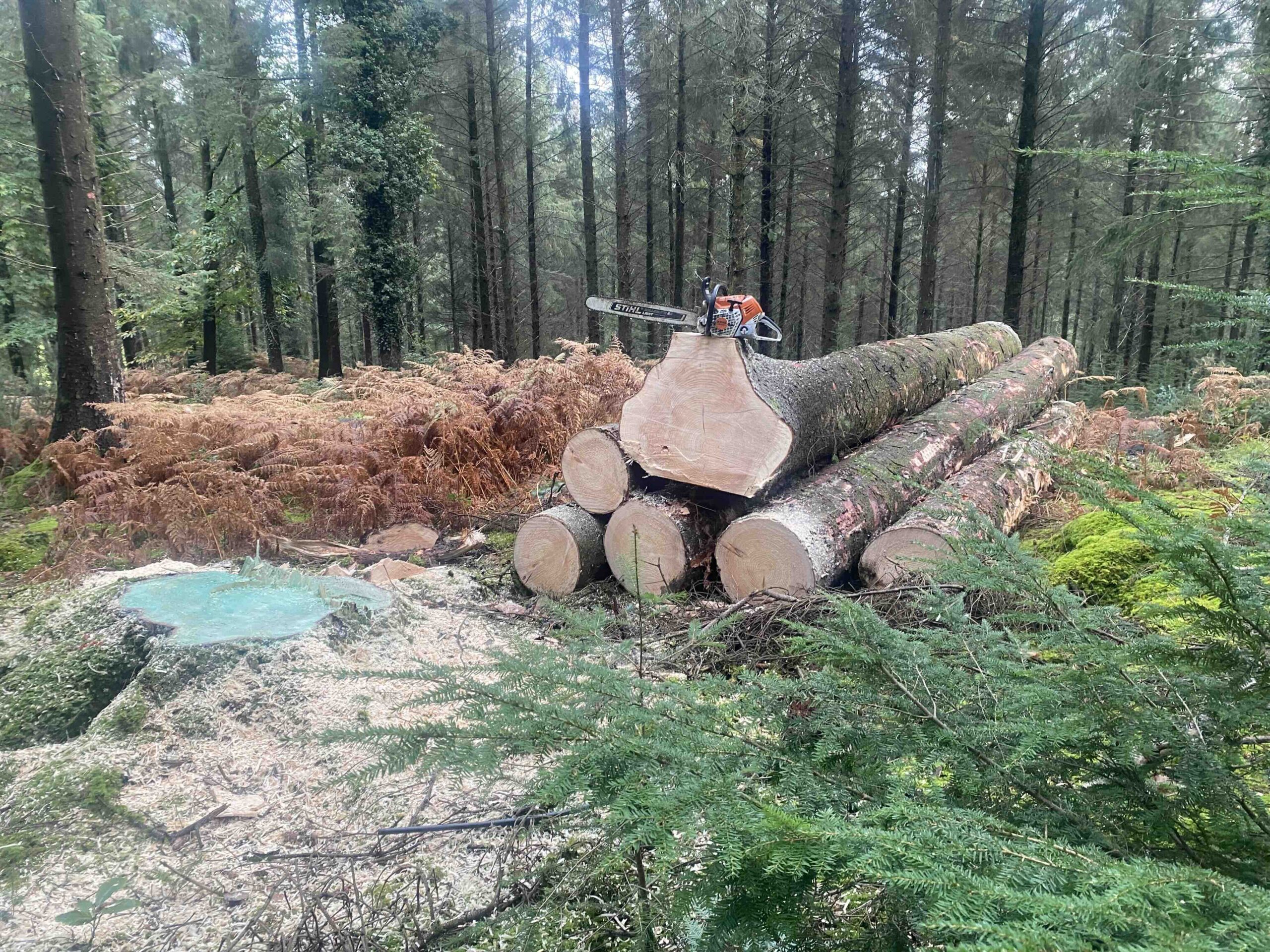
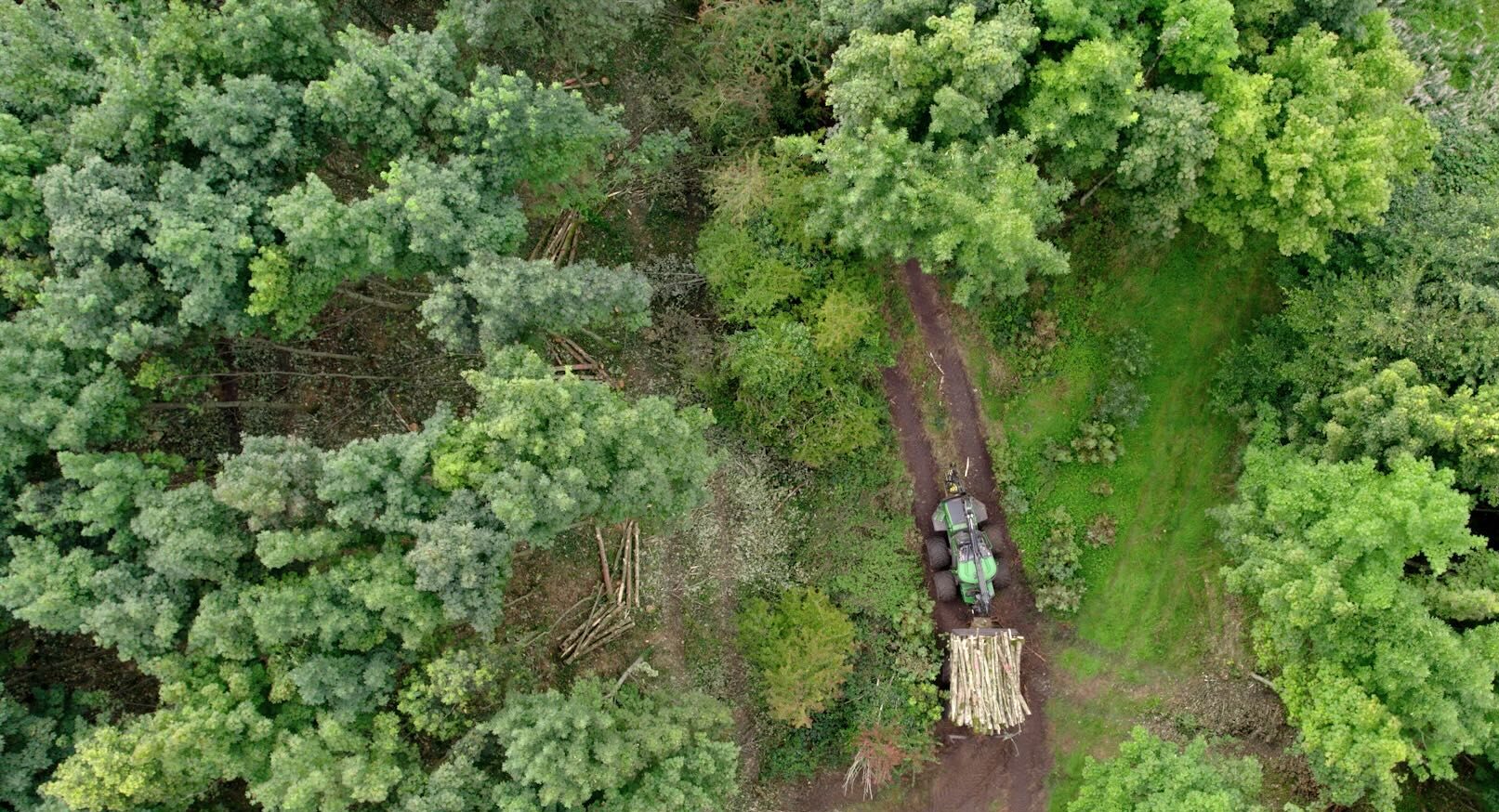
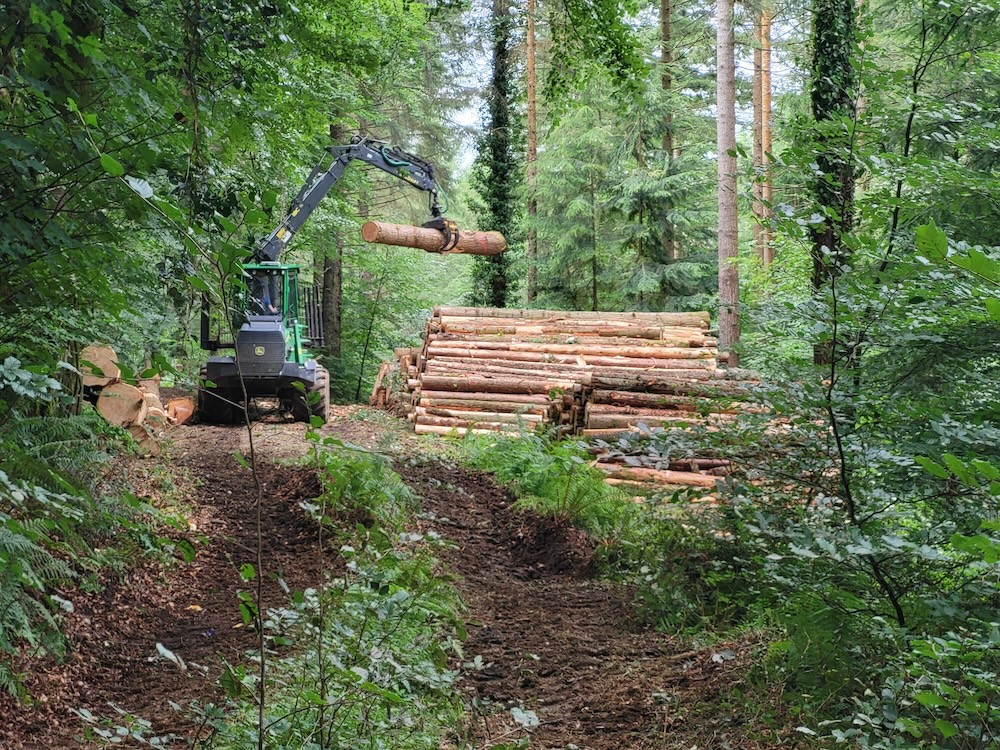
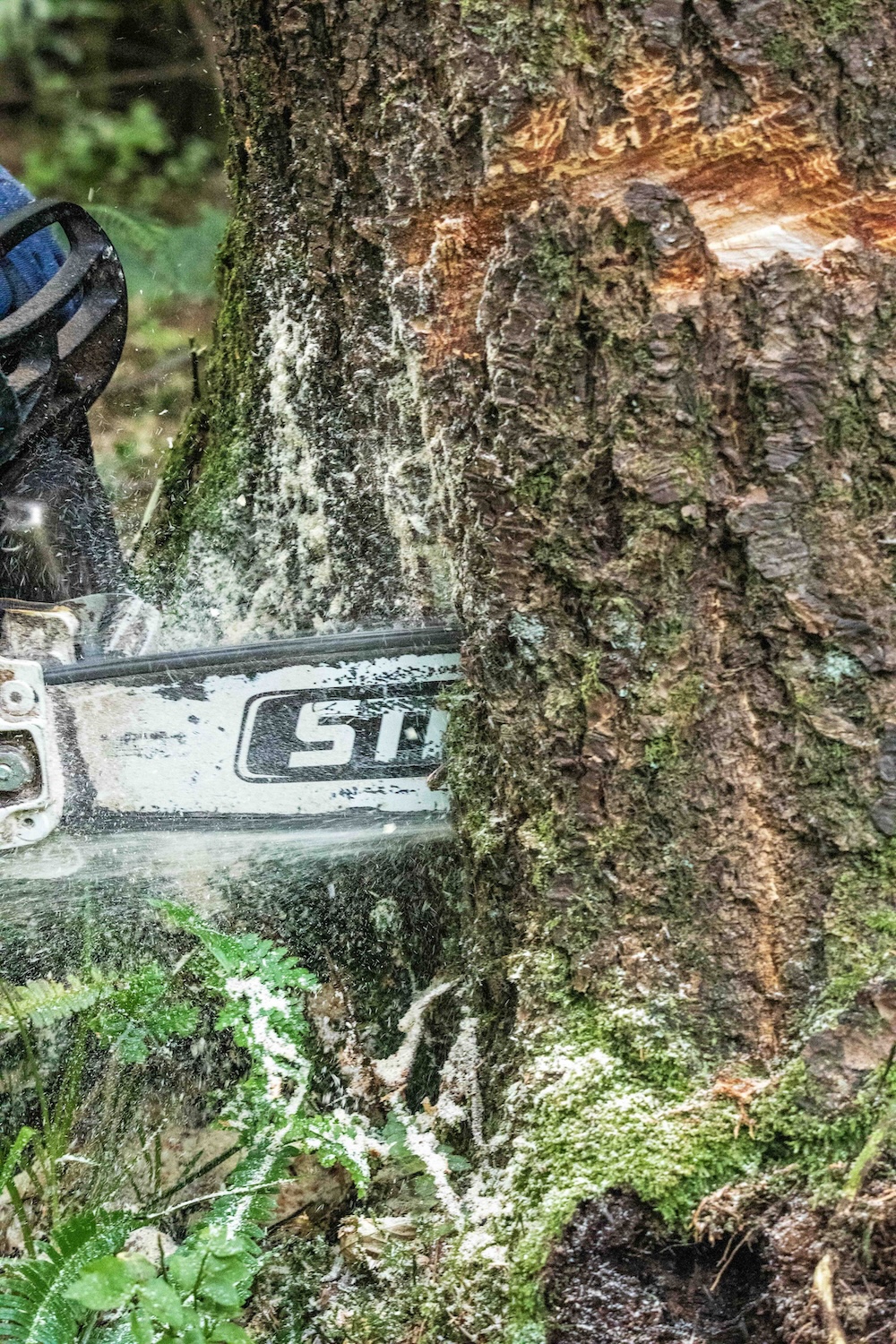
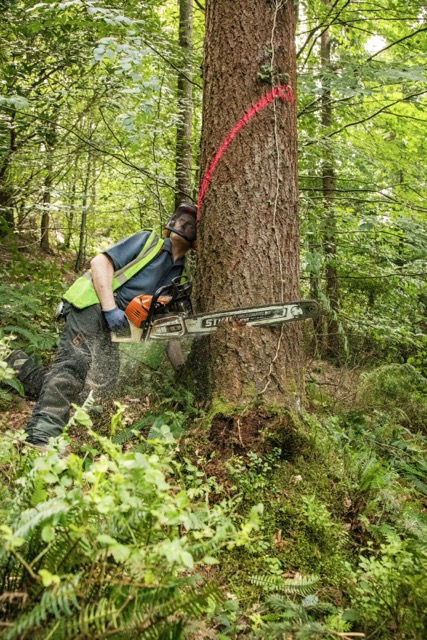
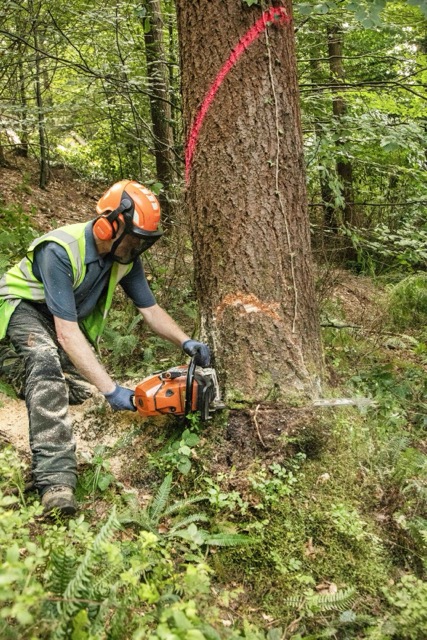
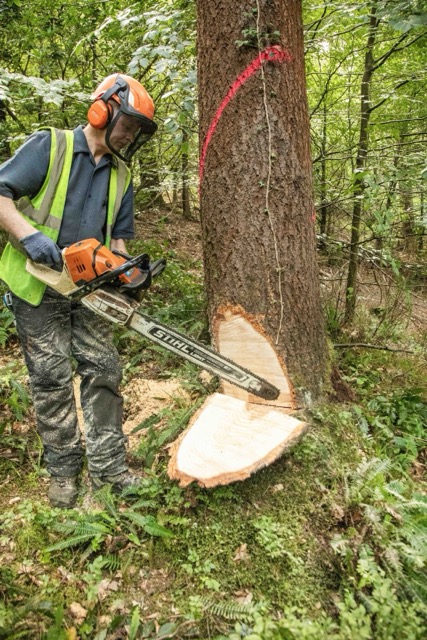
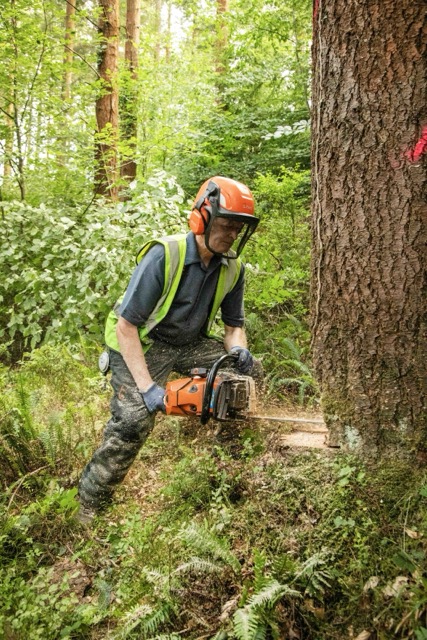
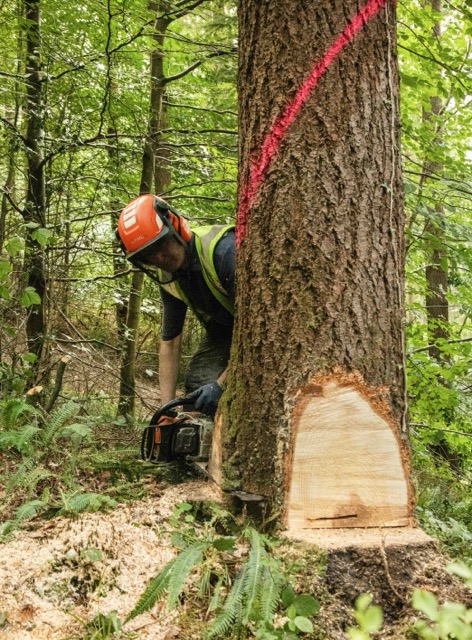
Skilled harvesting operations, along with care for retained trees and the forest environment, are critical to the sustainable management of permanent CCF forests.

Working in permanent CCF forests enables harvesting operators and managers to support the long-term stewardship of multifunctional forests that provide continuous timber production, while supporting biodiversity, protecting soil and water, and enhancing recreational value.

Harvesting in CCF forests

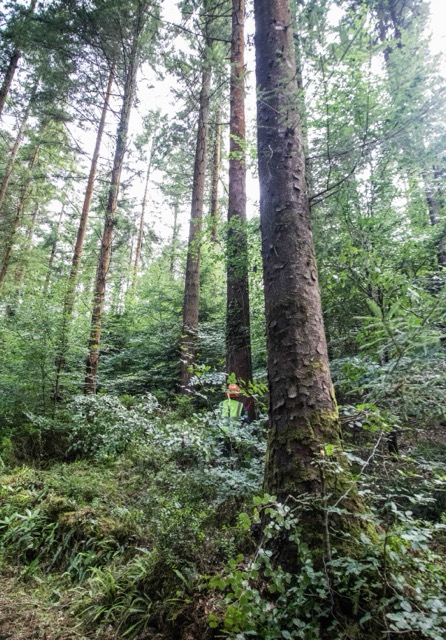
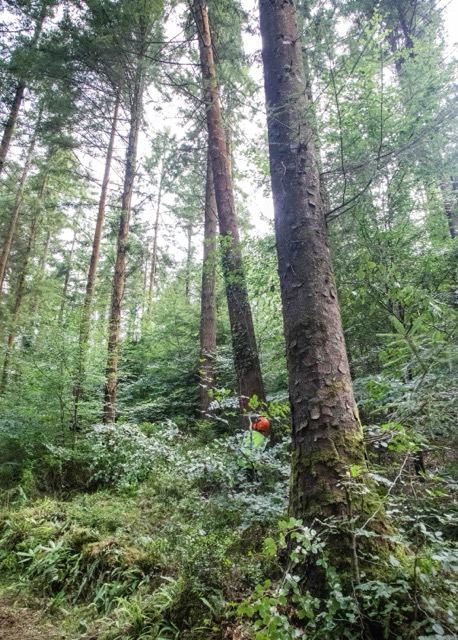
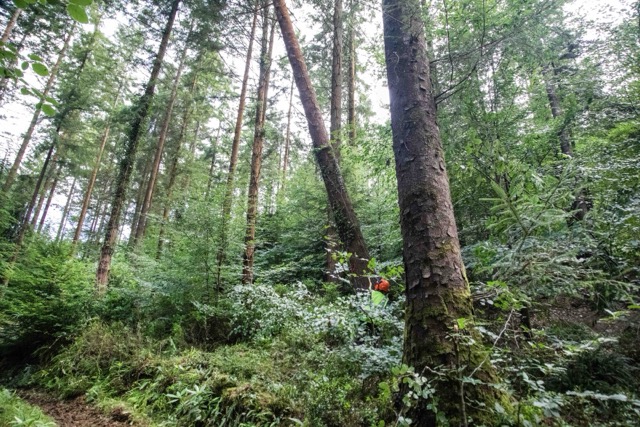
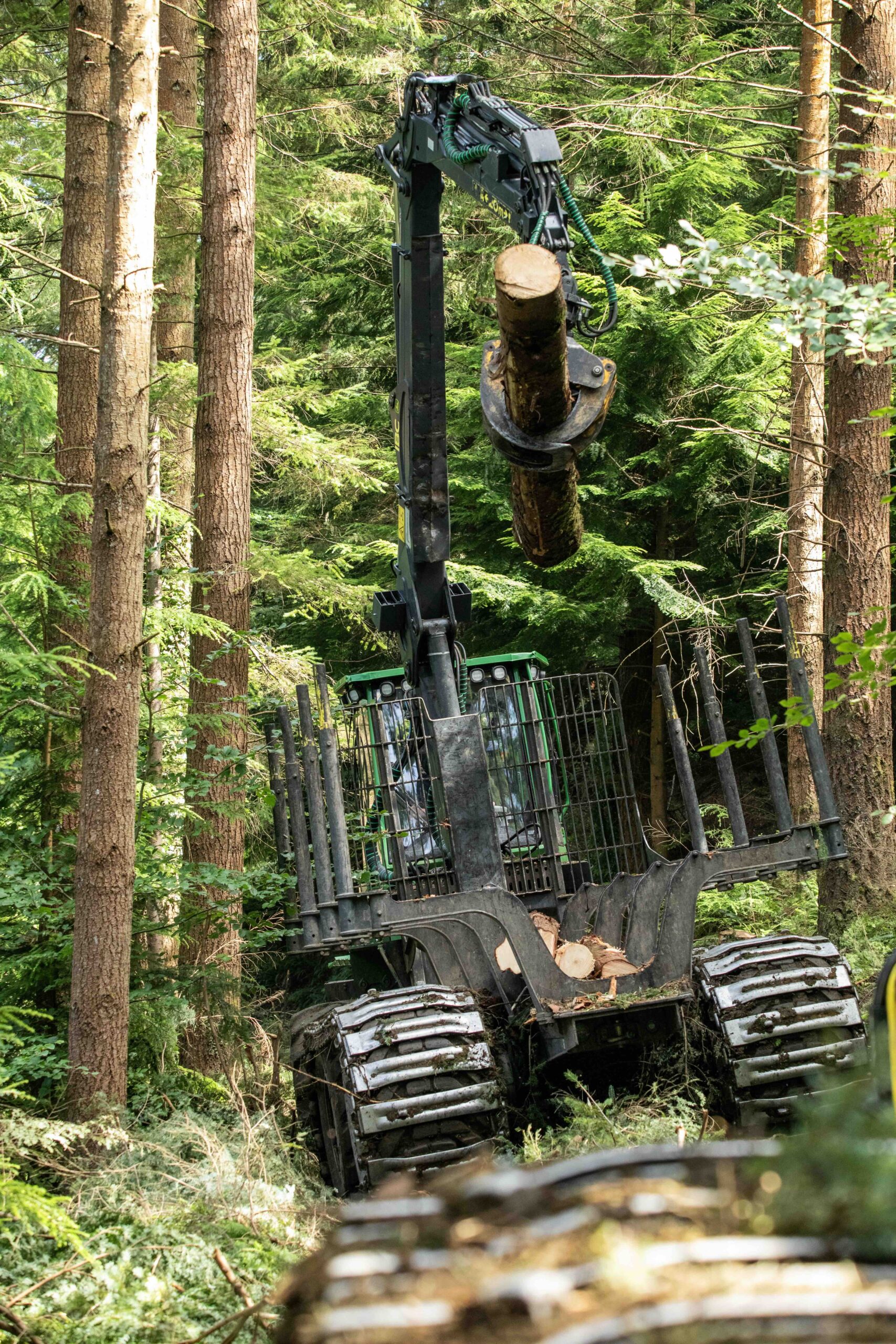
Mature CCF forests are structurally complex, with multiple tree species, trees of varied ages, heights and sizes, and a dense understorey. Harvest operators therefore require a high level of skill and judgement.

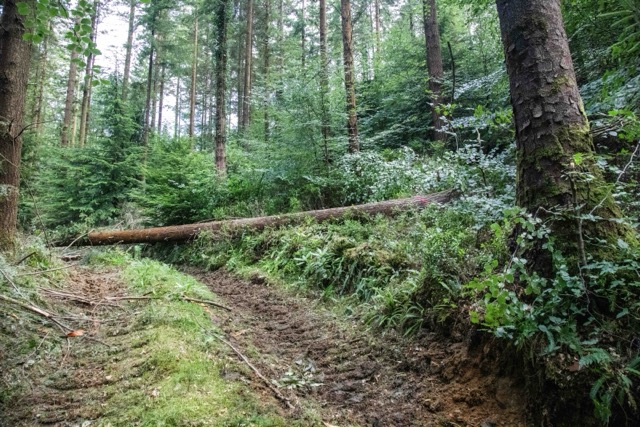
Because CCF forests are permanent, operations must be planned with a long-term perspective, prioritising stand improvement, protecting residual trees and maintaining site conditions. Careful planning and site management are therefore essential.

Operators may be required to make on-the-ground decisions where management objectives and marking intentions must be balanced against operation capabilities, site conditions and the need to protect retained trees, biodiversity features and overall forest ecology.

The ecomonics of CCF harvesting

Different forest management approaches generate different cash flows, particularly when comparing clear-fell systems with CCF.

Clear-fell model

Under the clear-fell model, income is typically realised as a large payment at the end of each rotation, followed by a period of reinvestment to restock and maintain the new forest, and a prolonged interval while the asset matures towards the next clear-fell.

CCF management

CCF management develops the forest to a point where the growth increment can be harvested at regular intervals on an ongoing basis. This provides regular income from timber sales without the need for restocking costs, while the principal asset (the baseline standing volume of timber) is maintained.

Non-timber products

Forests can also generate income from non-timber products, such as food or foliage, and from other sources, such as tourism, private hunting fees and film location fees. In most cases, a permanent CCF forest is better placed to support these additional income streams.

Markets

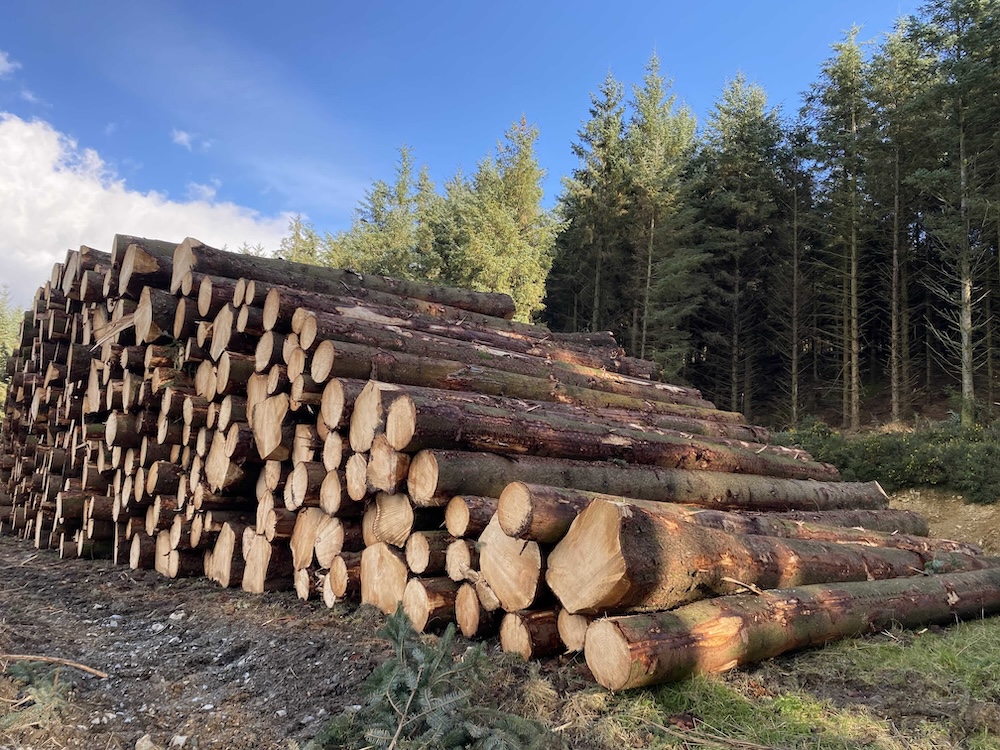
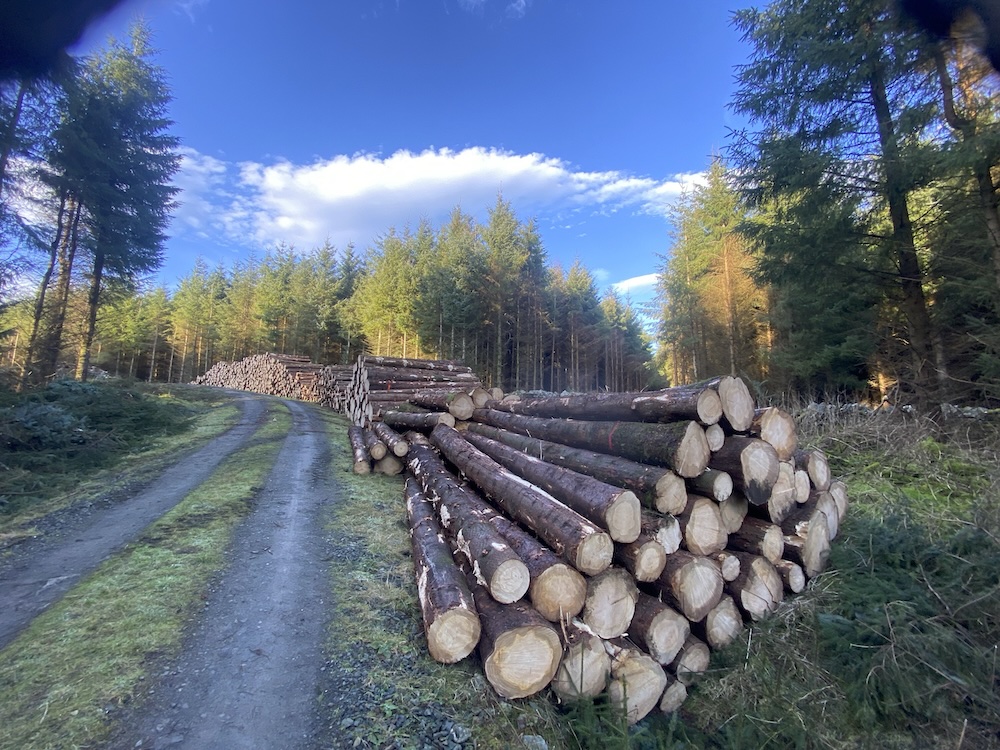
Most sawmills currently process smaller sawlogs, but high-quality large logs still achieve good prices in Ireland. As more CCF forests mature, demand for these larger logs is likely to grow. The percentage recovery of sawn timber from large logs of good quality is higher than smaller logs of similar quality, creating future efficiencies for sawmills.

Coopering oak

Irish-grown oak, grown and harvested from a CCF forest in Co. Wicklow, on route to France to be made into premium-grade whiskey barrels.

resources

Explore further

PDF

Guide 9 Guidelines for CCF harvest operations